
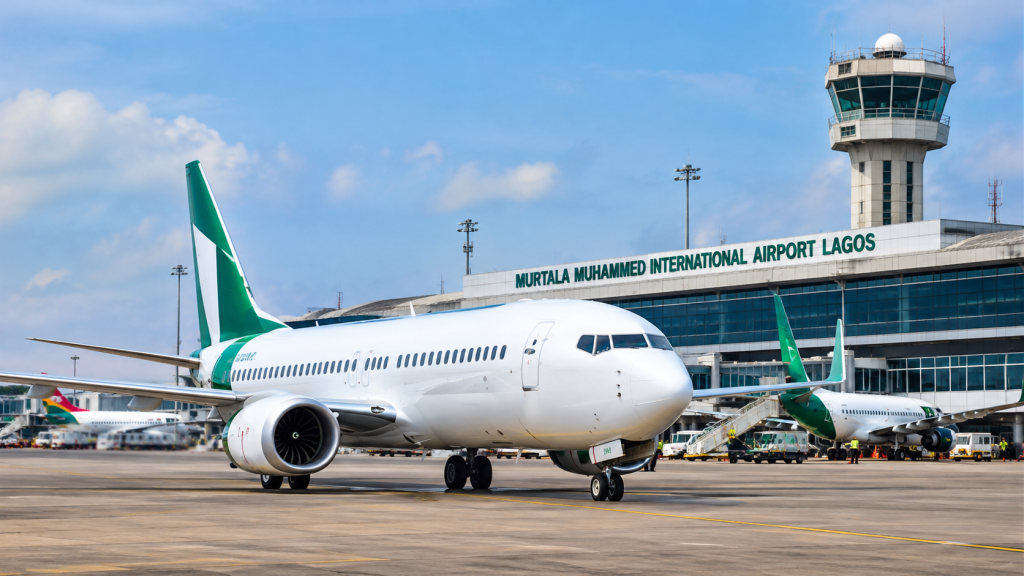
Nigeria’s domestic aviation sector is recording a significant increase in scheduled flight capacity, with airlines offering one million seats in October 2026 for the first time this year. The development could create new opportunities for domestic tourism, business travel and connectivity between major Nigerian cities.
Nigeria’s aviation industry is attracting attention following reports that scheduled domestic airline capacity reached one million seats in October 2026, representing a reported 54.6% increase compared with the same month in 2025.
The development highlights the growing importance of air travel in connecting Nigerians with business centres, tourist destinations and other parts of the country. However, increased flight capacity does not necessarily mean cheaper tickets or fewer delays, and travellers should continue to plan their journeys carefully.
What Does the Increase in Domestic Flight Capacity Mean?
Flight capacity refers to the number of passenger seats airlines make available on scheduled flights during a given period. An increase in capacity can result from airlines operating more flights, deploying larger aircraft or expanding services on existing routes.
For travellers, more available seats could mean greater flexibility when choosing departure times and planning journeys between cities.
Nigeria’s domestic aviation network connects important destinations, including Lagos, Abuja, Port Harcourt, Kano, Enugu and other regional centres. These connections support business activities, family visits, tourism and movement between different parts of the country.
Nevertheless, the actual benefits passengers experience will depend on how airlines distribute their capacity across routes and whether demand remains within the available supply.
What Should Travellers Expect in the Coming Months?
The reported increase in domestic flight capacity presents an opportunity for Nigeria’s aviation industry to strengthen connectivity between cities and support tourism and business travel.However, the long-term effect will depend on whether airlines can sustain their services, manage operating costs and meet passenger demand.
Travellers will also be watching to see whether increased capacity leads to more convenient schedules, improved seat availability and competitive fares on popular routes.
For Nigeria’s tourism industry, stronger domestic air connections could help make more destinations accessible to visitors. Achieving that potential will require cooperation between airlines, airport operators, tourism businesses and relevant government agencies.
